regulations
The Decoding EU Regulations on Non-Alcoholic Beverages This is the must-read guide for The Compliance
In the realm of alcohol and food products, complying to regulations is not just legally required, but is an essential component of consumer trust and security. A key aspect of this is that the European Union (EU), is known for its strict rules is a major source of emphasis on ensuring non-alcoholic beverages are of the highest standards of quality and safety. This article, the very first in our series, aims to help you understand the complexities of EU regulations regarding non-alcoholic beverages.
Understanding the EU Framework
A brief overview of EU Regulatory Organs
At the heart of EU regulations governing non-alcoholic drinks are several key regulatory agencies who each play an essential role in making sure that the items on the market secure for the consumers.
1. The European Commission: Often considered the executive branch within the EU, the European Commission takes charge of making legislation and adopting decisions. In the case of the regulation of food and drinks, the Commission has a significant role in setting the framework within which non-alcoholic beverages must operate.
2. EFSA (European Food Safety Authority) ):It is an non-profit agency offers scientific advice on nutrition and safety for the EU institutions. The expertise of the EFSA is essential to reviewing the safety of ingredients and the additives that are used in non-alcoholic beverages.
3. National Authorities: In addition to EU-wide regulations, member states may have their specific regulations. The national authorities ensure compliance with EU regulations at the local at the local level.
Legitimate Framework
Understanding EU regulations regarding non-alcoholic drinks is a matter of understanding the legal framework governing these regulations. The EU makes use of two primary types of legislation: regulations and directives.
EU Regulations: They apply directly for all members and do not require national laws. Once an EU regulations is passed and becomes law in all member states simultaneously.
EU Directives: Directives, on the other hand, lay out the objectives that member states are required to achieve. It’s the duty of every member state to pass its national laws to comply with the directive.
The interplay between EU regulations as well as the state-specific laws of member states may sometimes be complex, necessitating businesses to navigate broad EU regulations and the specific laws in their respective countries.
Knowing the regulation framework will be the first step in making sure you’re in the compliance of EU regulations on non-alcoholic beverages.
In the next part, we’ll explore specific aspects of EU regulations, focusing on specific labeling and ingredient requirements which are essential for businesses in the beverage industry.
Stay with us for a deeper dive into the intricate details of ingredient labeling and regulations within the EU for non-alcoholic drinks.
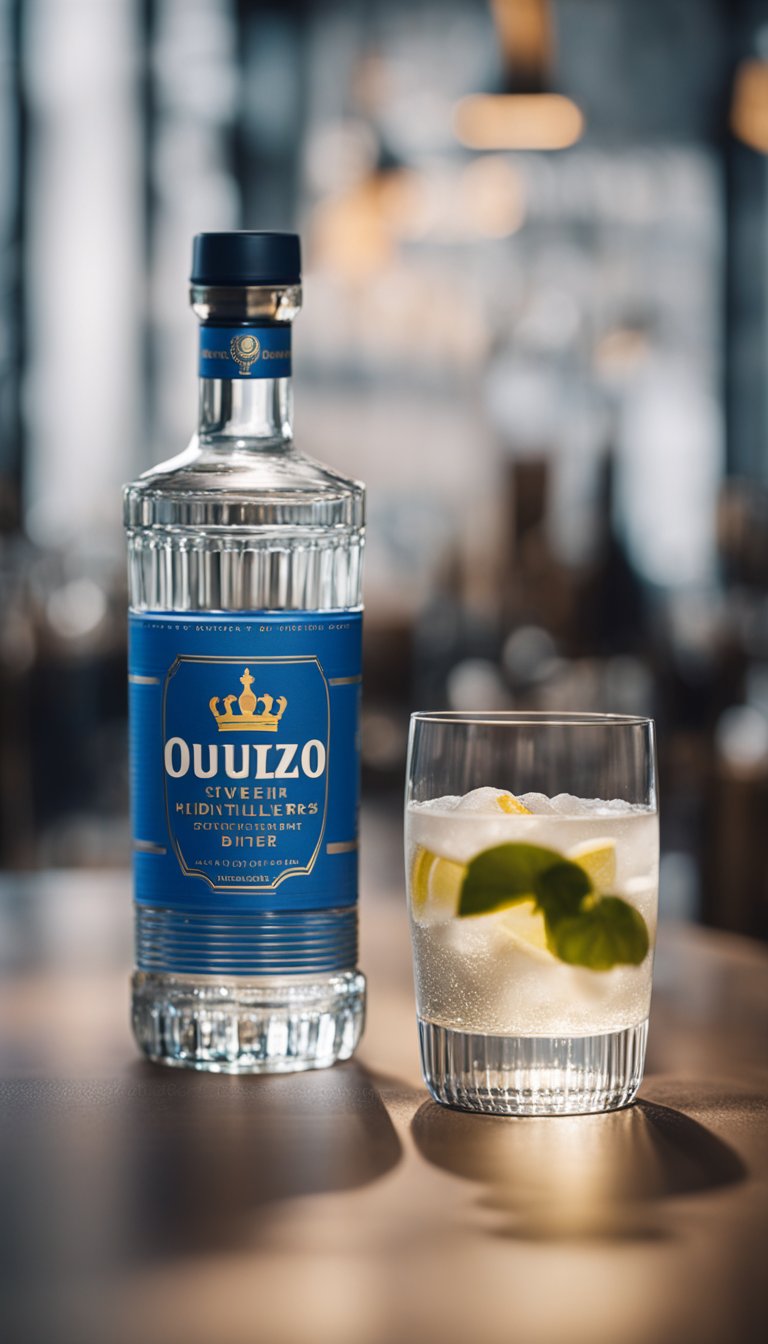
It is a challenge to follow EU Regulations: Labeling and requirements for ingredients in non-alcoholic beverages.
In the preceding section, we embarked on a journey to understand the intricate web of EU regulations regarding non-alcoholic beverages. We’ll dive into the specifics, specifically focusing on ingredient labeling and labeling requirementsaEUR”a essential area of conformity for businesses operating in the drink industry.
Guideline for Labeling
Klarity, and Transparency
EU regulations are meticulous in the area of labeling non-alcoholic beverages. The most important goal is to ensure that consumers receive truthful and accurate information on the products they purchase. Here are some essential aspects of labeling guidelines:
1. Name of the Beverage: The name should clearly define the purpose of the product. Names that are misleading and could mislead consumers are strongly discouraged.
2. Ingredients List: Non-alcoholic beverages are required to provide a list ingredients, with each ingredient listed in descending order of weight.
3. Food Allergen Information: If a beverage is a mixture of any of the 14 allergens listed by EU guidelines (e.g., dairy, nuts or gluten) the allergens should be identified in the list of ingredients.
4. Net Quantity: This is the amount of the drink must be expressed in liters milliliters and centiliters. The weight can be expressed in kilograms grams, milligrams, or liters in accordance with the specific product.
5. Best Before/Use By dates: Non-alcoholic beverages with shelf life of less than 18 month must be accompanied by a “use within” date. Drinks with a more extended shelf life should show an “best date before” date.
Nutrition Declaration
In recent years, EU regulations have mandated non-alcoholic beverages to give nutrition information for 100ml of the beverage. This includes information about energy value, as well as the quantities of saturated fats, sugars, carbohydrates protein, salt and.
Ingredient Requirements
Use of Additives
EU regulations are strict in regulating the use of additives in alcohol-free drinks. They must be approved and safe for consumption and serve a functional purpose (e.g., colorsants, preservatives, sweeteners, etc.).
Natural Mineral Waters
For beverages labeled as “natural mineral water,” EU regulations are particularly tough. These waters must come from reliable sources and must meet specific standards regarding mineral content and purity.
Fruit Juices and Nectars
If a drink with no alcohol content contains nectars or juices made from fruit, it must conform to established standards for fruit content. For instance, fruit nectars are required to contain at the least 25% in fruit.
Sweeteners
The consumption of sweeteners can be controlled to ensure safety and ensure the protection of consumers’ interests. Labels should clearly state what sweeteners are in use.
What’s Next?
As we’ve observed, EU regulations on labeling and the requirements for ingredient use in non-alcoholic beverages are comprehensive that are designed to protect the consumer’s concerns. Becoming familiar with and adhering to these rules is vital for companies working in this area.
In the next part, we’ll delve into quality and safety standards by exploring how EU regulation ensures that alcohol-free drinks meet the highest standards of quality. Join us on this journey to explore the intricacies of EU regulations.
Stay with us as we discover the complexities of quality and safety standards set by EU regulations governing non-alcoholic beverages.
Direct Wholesale Excellence: Swedish Distillers Offers Top-Notch Alcohol-Free Spirits!
The Quality and Safety Standard: Assuring Top-of-the-Line Non-Alcoholic Drinks in the EU
While exploring the labyrinth of EU laws governing non-alcoholic beverages We’ve discovered vital information on labeling and the requirements for ingredient labels. Now, let’s continue our exploration by delving into the world of quality and safety standardsaEUR”critical aspects that uphold the integrity of these beverages in the European market.
Quality Standards
Water Quality
Water is the most important ingredient in many non-alcoholic beverages Its quality is crucial. EU regulations require that the all water used in beverage production has to meet strict quality specifications. This ensures that the water’s source, treatment and transport do not affect the beverage’s safety or taste.
Natural Mineral Waters
for beverages that are marketed as “natural mineral water,” EU regulations are particularly strict. These waters have to be obtained from proven sources and fulfill rigorous requirements in terms of mineral amount and purity. Mineral waters that are natural are known for their unsurpassed quality and unique mineral composition, making they a valuable asset for the industry of non-alcoholic beverages.
Fruit Juice Purity
In beverages that contain juices of fruit In beverages that contain fruit juices, the EU enforces specific fruit content standards. For instance, fruit nectars have to contain a minimum level of fruits to ensure the authenticity and quality of the beverage.
Hygiene & Production
Maintaining an impeccable level of hygiene during the manufacturing process is essential. EU regulations require that all processing facilities that produce beverages adhere to strict safety and hygiene standards to prevent contamination and ensure the safety of products.
Safety Standards
Microbiological Criteria
Microbiological safety is a crucial part of the non-alcoholic beverage industry. EU regulations define microbiological standards to ensure that beverages are free of harmful microorganisms which could cause potential health risks for consumers.
Contaminant Limits
To protect the health of consumers, EU regulations define maximum limit limits for various contaminants found in non-alcoholic drinks. These contaminants include mycotoxins, heavy metals and pesticide residues. Proactive monitoring and testing procedures are in place to ensure that they are in compliance with these limits.
Additive Safety
The additives used in non-alcoholic drinks should be thoroughly evaluated for their safety. EU regulations require thorough tests of scientific research and risk assessment before additives are approved for use. This ensures that consumers are not exposed to unnecessary risks.
The Role of Quality Control
Quality control plays a pivotal responsibility in ensuring non-alcoholic beverages are of the highest standard in terms of quality and safety. Manufacturers are accountable for the implementation of strict quality control measures, from the time they source raw materials up to the end of the production process.
What’s In Store for You?
Standards for quality and safety are the pillars upon which the popularity of non-alcoholic drinks is built on in the EU market. In our next segment we’ll examine the intricate world of marketing and packaging regulations, shining light on how these components contribute to the overall regulatory landscape.
Stay tuned as we enter the realm of marketing and packaging regulations. These are the essential components of EU compliance for non-alcoholic beverages.

Marketing and Packaging in the EU: Navigating EU Regulations for Non-Alcoholic Beverages
As we continue our journey through the intricacies of EU regulations governing non-alcoholic beverages, we find ourselves at a crossroadsaEUR”packaging and marketing. These are essential aspects not only for compliance but also for attracting the focus of consumers in an highly competitive market. Let’s look into the world of regulations for marketing and packaging in the European Union.
Package Regulations
Material Safety
The EU is committed to ensuring that the substances used in beverage packaging don’t contaminate the beverage’s contents. Manufacturers must follow strict standards for products like plastics, glass, and metals. This ensures that the packaging will not alter the taste or composition of the beverage.
The concept of recycling as well as sustainability
Environmental sustainability is a growing concern, and the EU encourages eco-friendly packaging solutions. Regulations are designed to reduce waste and promote recycling by making targets for the use of recyclable packaging materials and reduction of packaging waste.
Display and labeling
Labeling is an important aspect of packaging. EU regulations require specific and precise information on labels, including the product name, ingredients including nutritional information as well as allergen declarations. These labels assist consumers in making decisions based on information and transparency.
Marketing Regulations
Truthful Advertising
Non-alcoholic drinks that are promoted in the EU should adhere to a set of principles of accuracy and truthfulness. Advertising claims, such as health claims or benefits of ingredients, should be supported by scientific research.
Protection of Minors
With the potential for appeal of non-alcoholic drinks for minors marketers must stay clear of targeting those who are part of this age group. The EU imposes strict rules to stop advertising that could be arousing for consumption by youngsters.
Alcohol Imitation
Non-alcoholic beverages should not have the packaging or appearance of alcoholic beverages. This reduces confusion among consumers and ensures that marketing for these beverages is clear and clear.
Challenges and Innovations
The process of navigating the marketing and packaging regulations isn’t easy, however they also offer the opportunity for innovation. Many companies are moving towards green packaging materials that are in line with regulatory requirements and the consumer’s preference for eco-friendly choices. Innovative marketing strategies that concentrate on health benefits and unique flavors are getting more popular on this EU market.
What’s Next?
Our investigation of EU regulations for non-alcoholic drinks will not be complete unless we address the critical aspect of compliance to these regulations. In the following section, we’ll dive deeply into the strategies and best practices to help companies ensure that they are in compliance with strict standards of the EU.
Keep an eye on us as we uncover the keys to compliance with EU regulations on non-alcoholic drinks.
Insuring EU Regulations for Non-Alcoholic Beverages: A Comprehensive Guide
It’s time for the fifth last segment of our thorough guide on navigating EU regulations governing non-alcoholic drinks. Through this series, you’ll have gone through the complex world of regulations governing the production in the areas of labeling, safety and promotion of non-alcoholic drinks in the European Union. In this final article this article, we’ll recap of the principal points from each section and offer some closing thoughts on the challenges and opportunities in this incredibly restricted industry.
The Recap Our Journey
Section 1: Production Standards
In the initial article, we explored the production guidelines developed by the EU for non-alcoholic beverages. It is important to note that the following points are among them:
- Safety and hygiene standards must be adhered to for production establishments.
- Guidelines for ingredient selection and the quality.
- The importance of complying with maximum residue levels in the use of pesticides and environmental contaminants.
- The importance of adhering in accordance with Good Manufacturing Practices (GMP) is crucial.
Section 2 3: Nutritional Information and Labeling
In our previous article, we talked about the importance of precise labeling and nutritional information. Highlights include:
- The labeling must be clear and accurate such as ingredient lists nutritional information, as well as allergen declarations.
- The importance of truthfulness when it comes to advertising and the necessity of solid scientific proof to back up claims.
- The prohibition of creating false impressions for consumers by making false claims.
Chapter 3: Safety and Quality Assurance
The third article in our series was dedicated to safety and quality assurance. We covered the following points:
- strict safety standards to stop contamination and ensure the safety and security of non-alcoholic beverages.
- The importance of Hazard Analysis and Critical Control Points (HACCP) in protecting food safety.
- Monitoring and traceability that allows you to quickly detect and fix safety issues.
4. Packaging and Marketing
In the fourth piece we reviewed regulations related to marketing and packaging:
- Safety standards for packaging materials to prevent contamination.
- Focus is placed on recycling and sustainability in packaging.
- Guidelines for ensuring that advertising is honest as well as protection for minors and the prevention of fake alcohol.
Opportunities and Challenges
When we are done with our trip through EU rules for non-alcoholic drinks the industry has its own challenges as well as opportunities. The biggest challenge is navigating the complexities of regulatory requirements while also ensuring compliance and responding to the ever-changing preferences of consumers for more sustainable and healthier choices.
But, there are huge advantages for companies that are prepared to meet these issues:
-
Innovation: Developing eco-friendly packaging and marketing strategies that promote health benefits can help you stand apart from the competition.
-
Transparency: The compliance with the labeling laws and regulations on advertising not only guarantees compliance but also builds consumer confidence.
-
Securing: Prioritizing safety and quality assurance will protect your brand’s reputation and safeguard the interests of your customers.
Conclusion
In this series, we’ve explored through the myriad complexities of EU guidelines for non-alcoholic beverages. From production guidelines to packaging marketing, safety and security being compliant is essential to achievement in this field.
When you’re navigating these regulations make sure to remember that these regulations are meant to protect customers and to guarantee the highest quality standards. Be a part of the process to embrace innovation, sustainability, and transparency to excel in the highly competitive EU industry for non-alcoholic drinks.
Thank you for joining us on this learning journey. We hope you’ve gained valuable knowledge about the regulatory landscape of non-alcoholic beverages within the EU.
Recap of All Articles in This Series
-
Section 1: Production Standards
-
Section 2 2. Labeling and Nutritional Information
-
section 3 Safety and Quality Assurance
-
4. Marketing and Packaging
Continue on your way to success in the business of non-alcoholic beverages Always stay abreast with the most current EU guidelines.
EU Regulations on Alcohol-Free Drinks: A Complete Guide
As we move into the age of beverages the term “alcohol-free” is gaining significant popularity. The majority of people are seeking alternatives that are not alcoholic for various reasons, like medical, personal preference as well as lifestyle preferences. When the desire for alcohol-free beverages continues to rise with it, so too does the need of clear regulations to regulate the consumption of these beverages.
Understanding the importance of EU Regulations
Why You Need to Learn
Before we look into the intricate details of EU laws pertaining to alcohol-free beverages it’s imperative to understand what this information means. You may be a consumer searching for trustworthy products or a manufacturer eager to comply with standards Here’s the reason EU regulations on alcohol-free drinks are important:
The increasing popularity of alcohol-free Beverages
Alcohol-free beverages have expanded beyond the sphere of soda and water. These days, they are the entire spectrum of alcohol-free beverages, from alcohol-free beer to exquisite mocktails as well as spirits that are alcohol free. As consumers seek healthier and more diverse drinks alternatives, demands for these products are growing.
Health and Safety Concerns
Customers rightfully demand that the drinks they consume meet strict health and safety standards. Regulations ensure that alcohol-free drinks are produced, labeled, and advertised using methods that promote consumer well-being. They also help prevent misleading claims and safeguard those who should avoid alcohol for health reasons.
Growth and Innovation in the Industry Growth and Innovation
The market for alcohol-free beverages is growing quickly, with developments that challenge the conventional rules. Producers are coming up with unique flavors and textures that look like alcohol. To facilitate the growth of this business and keep consumers trusting the brand and confidence, thorough regulations are required.
Now that you’ve grasped the importance of EU rules on alcohol-free drinking, We’ll look at the primary regulations that govern these beverages in the following section.
H2: Essential EU Regulations for Alcohol-Free Drinks
In the following section, we’ll dig into the heart of issue, examining the major regulations that determine the world of alcohol-free beverages in the European Union. From the maximum allowed alcohol content to labeling requirements as we unravel the rules that producers, distributors and consumers must be aware of.
Maximizing Safety and Consumer Confidence
When embarking on this regulatory journey, be aware that these rules aren’t mere bureaucratic red tape. They serve an important purpose in ensuring that alcohol-free drinks adhere to strict quality standards. give consumers accurate information and provide an improved and safer beverage environment.
Then, let’s go through the complicated world of EU regulations for alcohol-free drinks and alcohol-free drinks in a subsequent section.
[Next step: Section 2: Key EU Regulations for Alcohol-Free Drinks]
Wholesale Redefined: Directly Source Your Non-Alcoholic Spirits from Swedish Distillers!
Key EU Regulations for Alcohol-Free Drinks
In our effort to grasp the world of alcohol-free beverages within the European Union, we now get into the middle of it all: matteraEUR”the regulations. These regulations are the backbone which ensures that the alcohol-free drinks are safe, transparent and conform to strict quality standards. Let’s embark on this regulatory adventure, dissecting principal EU regulations governing alcohol-free drinks.
Maximum Permitted Alcohol Content
What is the significance of HTML0?
The very definition of “alcohol-free” is based upon the permissible alcohol level. In the EU in order for a drink to be classified as “alcohol-free,” it must be a minimum of 0.5 percent of alcohol per volume (ABV). This threshold is essential to ensure the safety of consumers, particularly in those who prefer to cut out alcohol completely, in order to avoid health issues, dietary, as well as personal motives.
Specification for Labeling
Clarity and Transparency
EU regulations stipulate that the labels for alcohol-free drinks should clearly mention their alcohol content. This isn’t only an issue of transparency, but also essential for consumers who depend on such information. The label should clearly have the “alcohol-free” designation and the exact ABV which will ensure that customers have the ability to make educated decisions.
ingredients and additives
Quality and Purity
In order to ensure the quality and pureness of alcohol-free drinks EU regulations stipulate stringent requirements for ingredients and other additives. These regulations ensure they only use approved products can be used in the manufacture of these drinks. The focus is on preserving the authenticity of the product regardless of whether it’s alcohol-free beer, wine, or spirits.
Health Claims and Advertising
Preventing misleading claims
EU regulations also govern health claims as well as advertising for alcohol-free beverages. It is intended to guard against false claims that could give false impressions regarding the health benefits that come from drinking these beverages. Producers should adhere to the guidelines to ensure honesty and accuracy within their commercialization.
Good Quality Standards and Safety Inspections
Quality Control and Quality Control
Another vital aspect of EU guidelines is monitoring of quality standards, as well as safety examinations. Producers are obligated to conduct strict testing and quality control actions to ensure that alcohol-free beverages meet the established standards. This covers hygiene, microbiological safety as well as overall product quality.
Conformity and Certification
Now that we’ve gained an appreciation of the primary EU regulations for alcohol-free drinks You may be thinking how producers and distributors ensure compliance with these laws. The process of ensuring compliance and certification is a key element in the process of bringing these drinks to market while still adhering to EU regulations.
H2: Navigating Compliance
It can be a daunting task, however it is vital for distributors and manufacturers to ensure that their alcohol-free beverages meet EU standards. These are the essential aspects of the compliance procedure:
Testing and Analysis
Producers must conduct comprehensive testing and analysis of their non-alcoholic drinks to ensure they meet the required standards. This includes alcohol content verification analysis of ingredients, testing of the ingredient, and qualitative assessments.
Documentation and Record-keeping
Comprehensive documentation is an integral part of compliance. Producers are required to keep records of testing, ingredient sourcing, and manufacturing processes. These records serve as evidence of compliance and are the subject of inspection by authorities in charge of regulatory oversight.
Co-operating with Regulatory Authorities
Distributors and producers frequently work with regulators as a way to guarantee compliance. This involves getting the required approvals and certifications, which could differ depending on the specific kind of alcohol-free drink.
Common Challenges and the Way to Overcome Them
Compliance can pose challenges particularly for small-scale producers, or those who are just beginning to the industry. Common obstacles include navigating various regulatory requirements, balancing testing costs, as well as keeping up with evolving rules. The need for expert guidance and keeping updated with the latest regulatory developments are important strategies to tackle the challenges.
In our next section We will discuss how these regulations impact on consumers and how they can make informed choices when choosing drinks that are alcohol-free.
[Next: Section 3: Effect on ConsumersThe impact on consumers

Impact on Consumers in Navigating EU Regulations on Alcohol-Free Drinks
As we continue our journey through the realm of alcohol-free drinks and the regulations that govern them in the European Union, we come to a pivotal point of considerationaEUR”the impact of these regulations on consumers. It’s essential for consumers to understand how these regulations affect consumers’ choices as well as their rights in relation to deciding on alcohol-free drinks.
What Should Consumers Do About EU Regulations on Alcohol-Free Drinks?
Before diving into the specifics you must answer the fundamental question: Why consumers need to be concerned about EU rules regarding alcohol-free beverages? Here are the key reasons:
-
Security and Trust: Consumers deserve to enjoy safe and trustworthy products. The law requires that alcohol-free beverages comply with specific safety and quality standards, thus reducing the risk of health-related concerns or misrepresentation.
-
“Informed Decisions.” Consumers are empowered by regulations to make informed decisions. Through understanding the requirements for labeling and information about the effects of health products, shoppers are able make choices that are in line with their preferences and dietary needs.
-
Preventing misleading claims: Regulations protect consumers from untrue health claims and misleading advertising to prevent consumers from falling victim to misleading marketing strategies.
Let’s dive a little deeper into the ways EU regulations impact consumers:
reading labels and understanding claims
Klarity of Labeling
One of the most obvious way consumers are affected EU regulations is through the labeling of product. When you buy an alcohol-free beverage within the EU the label must provide clear and accurate information. Here’s what you need to look out for:
-
Alcohol Content: Regulators require labels reveal the exact alcohol content generally expressed as Alcohol by Volume (ABV). This permits consumers to ensure this product’s authenticity. genuinely alcohol-free and meets the EU’s 0.5% ABV threshold.
-
“Alcohol-Free” Designation: This label must prominently feature the “alcohol-free” designation, which will ensure that customers are able to quickly recognize the products.
-
Intake Lists These regulations demand complete ingredient lists that help those with dietary restrictions, allergies or other issues make informed decisions.
-
Health claims Pay attention to statements about health on labels. Regulations protect against misleading claims, which means that consumers can trust the product’s health benefits are true to the information on the label.
Reporting non-compliance
Consumer Rights and Accountability
Consumers also play an important role to ensure the adherence of EU regulations regarding alcohol-free drinks. If a product’s label is incorrect or you believe that the product is in any violations to the law, you can declare it. Not reporting violations helps preserve confidence in the market and also holds the manufacturers accountable.
Sources of Information and Resources for Consumers
As well as reporting violations the consumer can seek out numerous resources to get help:
-
Customer Associations: Many consumer associations are actively monitoring compliance with their products and are able to provide information and assistance.
-
Regulation Authorities Contact your regional or national regulator for assistance and to file a complaint.
-
Online communities Connecting to online forums and communities can offer ideas and suggestions from other consumers who share your interests.
Knowing how EU regulations affect consumers allows consumers to make educated choices and improve the quality of the alcohol-free drink market. In the next segment we’ll review the future developments in this ever-changing environment and what consumers can anticipate in the world of alcohol-free beverages.
[Next up: Section 4: Future Trends and Conclusion“

Future Trends in the World of Alcohol-Free Drinks
While we explore the complexity of EU regulations on alcohol-free drink and the impact they have on consumers and their consumption habits, it’s essential to examine the emerging trends that are likely to emerge in this market. The world of alcohol-free beverages is seeing rapid growth and new innovations as a result of changing consumers’ preferences and the need to make healthier choices.
What is the significance of future trends?
Knowing the future isn’t just a matter for curiosityaEUR”it’s important for producers as well as consumers. As a producer, staying on top of the curve is about keeping up with evolving demand from consumers and regulatory changes. For consumers, it’s having access to an increasing selection of healthy and exciting drink options.
1. Increased Variety of Products
The Beyond of the Basics
In the realm of alcohol-free drinks is no longer confined to classic options like soda or sparkling water. Producers are continuously expanding their portfolios of products in order to offer consumers a wide assortment of options. These include:
-
Alcohol Free Beer This type of beer has improved in sophistication, with flavor and aromas that mimic their alcoholic counterparts.
-
alternative wines: Non-alcoholic wines are becoming more popular, offering customers the enjoyment and flavor of wine, but without alcohol.
-
Alcohol-Free Spirits: Mocktails and alcohol-free spirits are in the increase, allowing drinkers to indulge in complex flavors as well as cocktails without alcohol.
2. Innovations in Flavor and Ingredients
Similarity to Complexity
The producers are investing in studies and development to create alcohol-free drinks that mimic the rich flavors and sensations of alcohol drinks. This includes experimenting with the use of herbs, botanicals and spices to make nuanced profiles.
-
Botanical Infusions: Gin that is alcohol-free as well as botanical spirits blend various botanicals that provide unique taste experiences.
-
Distillation Technology: Different producers utilize distillation methods to extract flavors without alcohol that result in sophisticated alcohol free spirits.
3. Health and Wellness Focus
Conforming to Consumer Values
The demand from consumers for healthier products is pushing producers to put more emphasis on wellness and health-related aspects. This includes highlighting nutritional information, organic ingredients as well as wellness benefits.
-
Low Sugar and Calories: Many alcohol-free beverages are designed to be less calories and sugar. They cater to health-conscious consumers.
-
functional ingredients: Companies are using essential ingredients like adaptogens, vitamins, and antioxidants in order to increase the wellness impact of the products they sell.
4. Sustainable and eco-friendly practices
Meeting Environmental Concerns
Sustainability is a growing concern and food producers are responding through adopting green methods. This includes sustainable sources of ingredients, eco-conscious packaging, as well as reducing carbon footprints.
-
Recycling Packaging Numerous alcohol-free companies choose to use recyclable or biodegradable packaging, in order to limit the environmental impact.
-
Ethical Sourcing: Producers are increasingly transparent about the sources of their ingredients and making sure they meet sustainable and ethical standards.
5. The Education System and Consumer Empowerment
Informed Choices
As the market for alcohol-free drinks evolves, consumer education becomes paramount. Manufacturers have invested in resources to help consumers better understand their products, which includes:
-
Internet Resources Facebook and Twitter platforms offer information about the ingredients in products, their advantages for health, as well serving suggestions.
-
Cocktail Events There are some producers who host tastings, workshops and other events to inform consumers about how to take advantage of alcohol-free drinks to the maximum.
Understanding these emerging trends allows consumers to make decisions that align with their preferences and values. In the following section we’ll outline the major takeaways and explore how the world of alcohol-free drinks continues to influence consumer choices and experience.
[Next: Section 5: Summary and Looking for the Future]
The Summary and the Future: The process of navigating EU Regulations on Alcohol-Free Drinks
As we wrap up our comprehensive review of EU guidelines on alcohol-free drink and their significant impact on consumers and the industry It’s vital to review the major insights gleaned from each of the sections and look forward to what’s in store for the future within this dynamic environment.
Section 1: What is the understanding of EU Regulations
In the first chapter of our travels we explored the fundamentals of EU regulations on alcohol-free drinks. Here are the most important takeaways:
-
EU Regulations Ensure Safety: These regulations are designed to ensure integrity and health of non-alcohol beverages which will allow consumers to enjoy these products without health hazards.
-
Marking Clearness: Users can be confident in clear and accurate labeling to identify drinks that are alcohol-free and understand their ingredients and health claims.
-
rights of the consumer: consumers have the rights to inform about violations of rules, which contributes to an honest and responsible market.
2. Production and Compliance
The second section we looked at the production and the compliance of alcohol-free beverages:
-
production standards: The producers must conform by strict standards. This includes the 0.5 percent ABV limit for alcohol-free classification.
-
testing and certification Tests and certifications for HTML0 undergo extensive tests to make sure they are in compliance with regulations.
-
Obligation to Be Compliant: Compliance with regulations is vital to avoid penalties as well as maintain trust for consumers.
Section 3: Its impact Producers and Market
The third segment of our report focused on the effect of regulations on the market and producers:
-
market growth: Demand for alcohol-free beverages is on rising, driven mainly by health conscious consumers and innovative product offerings.
-
Innovation and Competition: Producers are continually evolving to meet the needs of the consumer which has led to a wide assortment of alcohol-free choices.
Section 4: Future Trends
In the last section, we discussed the future trends that are shaping the world of alcohol-free drinks:
-
Expanding Product Variety: Consumers can expect an increase in the variety of drinks that are alcohol-free, such as modern alternatives to traditional drinks.
-
Innovations in Flavor and Ingredients: Producers are investing in the replication of complex flavors, which enhances the drinking experience.
-
Health and Wellness Concentration: Health-conscious consumers will find products that match their lifestyle preferences and fitness goals.
Section 5″Summary and Looking Ahead
In this part, we’ve analyzed crucial insights we uncovered from our study of EU rules regarding alcohol-free beverages. These insights empower both consumers and producers to navigate the ever-changing landscape effectively.
As we approach the future toward the future of alcohol-free drink options promises to keep growing and innovation. The consumers can expect to have an ever-growing array of choices that cater to their diverse tastes desires, and values. Producers, on the other hand, need to remain alert in adhering to the regulations and embrace the opportunities offered by this ever-changing market.
In conclusion, understanding EU regulations on alcohol-free drinks is not solely about compliance as much as it’s about ensuring security that, transparency, as well as choice that consumers have right to. With a brighter future to come the market for alcohol-free drinks encourages customers to investigate the possibilities, enjoy, and enjoy a healthier and better tasting pleasure.
Thank you for joining us on this journey into all the possibilities of alcohol-free drinks and EU regulations. Looking forward to a year filled with fun and responsible drink options.
“End Series]